
 fyndup

In the bustling heart of Indian homes, the kitchen is often a sanctuary where flavors come to life and cherished memories are made. With our busy lives, finding the right cooking method that balances convenience and tradition can feel overwhelming. Whether you’re a seasoned chef or just starting your culinary journey, the choice between a rice cooker and traditional cooking methods can significantly impact your experience in the kitchen. In this blog post, we will delve into the pros and cons of each approach, providing you with the insights needed to make an informed decision that best suits your lifestyle and culinary aspirations. Let’s explore how these two methods can shape your cooking routine and enhance your meals.


Top Rice Cookers
Understanding Rice Cookers
Rice cookers have become an essential kitchen appliance for many households, offering a simple and efficient way to prepare perfectly cooked rice. In this section, we will explore the basics of rice cookers, how they work, the various types available, and the technology that makes them so popular. Additionally, we will highlight the features that set them apart and the convenience they bring to busy lifestyles.
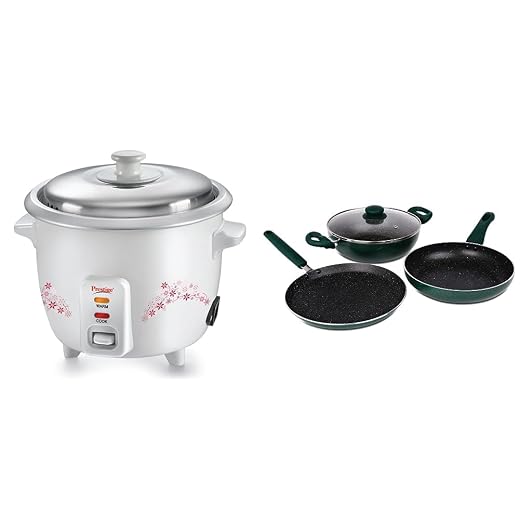

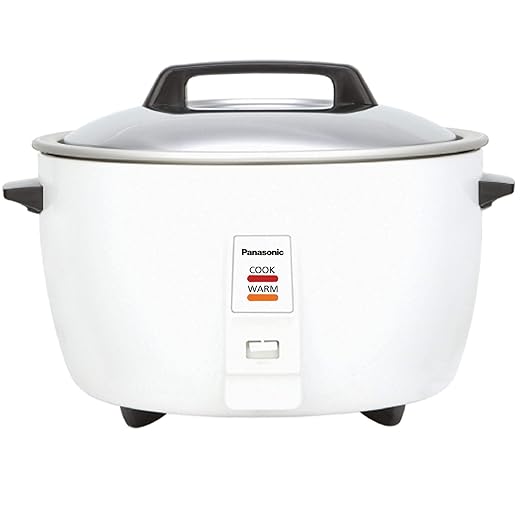
How Rice Cookers Work
At their core, rice cookers are designed to automate the cooking process of rice. They typically consist of a heating element, a cooking pot, a lid, and a thermostat. Here’s how they function:
- Water Measurement: You add rice and the appropriate amount of water to the cooking pot. Most rice cookers come with a measuring cup and water-level markings inside the pot for accurate measurements.
- Heating Element: Once you close the lid and turn the cooker on, the heating element begins to heat up the cooking pot.
- Temperature Regulation: As the water heats, it reaches boiling point and turns into steam. The thermostat monitors the temperature to ensure it stays at the optimal cooking level.
- Automatic Shut-Off: Once all the water has evaporated and the rice is cooked, the temperature inside the cooker rises above boiling point. The thermostat triggers an automatic shut-off, preventing the rice from burning.
This straightforward process allows for perfectly cooked rice every time with minimal monitoring.
Types of Rice Cookers
Rice cookers come in several types, each with its own set of features and advantages. Here’s a breakdown of the most common types:
1. Standard Rice Cookers
- Example: Zojirushi NS-TSC10
- Features: Simple one-button operation, ideal for cooking white and brown rice. They usually have a keep-warm function.
2. Induction Heating Rice Cookers
- Example: Tiger JAX-T10U-K
- Features: Uses induction technology for even heating and precise temperature control, resulting in perfectly cooked rice. Often come with multiple cooking functions.
3. Multi-Cookers
- Example: Instant Pot Duo 7-in-1
- Features: Can function as a rice cooker, pressure cooker, slow cooker, and more. Offers versatility for busy households.
4. Micom Rice Cookers
- Example: Panasonic SR-DF101
- Features: Utilize microcomputer technology to adjust cooking times and temperatures based on the type of rice and desired texture.
5. Pressure Rice Cookers
- Example: Zojirushi NP-HCC10XH
- Features: Cooks rice under pressure, significantly reducing cooking time and retaining more nutrients.
Key Features of Rice Cookers
Rice cookers boast an array of convenient features that make them popular among home cooks. Here are some noteworthy attributes:
- Automatic Shut-Off: As mentioned earlier, this feature prevents overcooking and burning, making it safe to leave the cooker unattended.
- Timers: Many models include programmable timers, allowing you to set the cooker to start at a specific time. For example, the Aroma Housewares ARC-914SBD has a delay timer that can be helpful for meal planning.
- Keep-Warm Function: After cooking, rice cookers will automatically switch to a keep-warm mode, maintaining the rice at an ideal serving temperature for hours without drying it out.
- Multi-Cooking Functions: Some rice cookers, like the Cuckoo CR-0655F, come with multiple settings for cooking various grains, making them versatile for preparing quinoa, oatmeal, and even soups.
- Non-Stick Pot: A non-stick inner pot, like the one found in the Hamilton Beach Rice & Hot Cereal Cooker, makes cleanup easy as food doesn’t stick to the surface.
Practical Benefits for Busy Households
The convenience rice cookers provide is unmatched, especially for busy households. Here are some practical benefits that make them a valuable addition to your kitchen:
- Time-Saving: With a rice cooker, you can set it and forget it. While the rice cooks, you can focus on preparing other components of your meal.
- Consistency: Rice cookers ensure that you achieve the same texture and flavor each time you cook, eliminating the guesswork involved in stovetop methods.
- Versatility: A multi-function rice cooker can replace several kitchen appliances, saving space and reducing the need for additional cookware.
- Energy Efficiency: Rice cookers typically consume less energy compared to using a stove, especially when cooking large quantities of rice.
- Family-Friendly: The automatic settings and easy operation make rice cookers suitable for all family members to use, encouraging everyone to participate in meal preparation.
Incorporating a rice cooker into your kitchen can simplify meal preparation, enhance your cooking skills, and ultimately provide delicious, perfectly cooked rice with minimal effort. Whether you opt for a basic model like the Zojirushi NS-TSC10 or a versatile multi-cooker like the Instant Pot Duo, you’ll find that this appliance can transform your cooking experience.
Traditional Cooking Methods
Indian cuisine is renowned for its rich flavors and diverse cooking techniques. Traditional cooking methods not only influence the taste and texture of the food but also embody the cultural heritage of India. In this section, we will explore some of the most common cooking methods used in Indian kitchens—boiling, steaming, and frying—along with the equipment typically utilized, their cultural significance, and how they enhance the culinary experience.


Boiling
Equipment Used
Boiling is one of the simplest and most commonly employed cooking methods in Indian kitchens. The essential equipment for boiling includes:
- Pressure Cookers: Brands like Prestige Popular Plus and Pigeon are widely used. They are designed to cook food quickly while preserving nutrients.
- Pans and Pots: Heavy-bottomed stainless steel or non-stick pots, such as those from Hawkins or Bergner, are ideal for boiling grains, legumes, and vegetables.
Cultural Significance
Boiling is often the first step in preparing dishes like dal (lentils) and rice. This method is significant in Indian cooking as it helps to retain the natural flavors of ingredients while ensuring they are tender and digestible. For instance, boiled potatoes are a key ingredient in many Indian snacks like aloo tikki and samosas.
Benefits
- Nutrient Retention: Boiling helps retain vitamins and minerals in food.
- Flavorful Base: It serves as a base for more complex dishes, allowing for layering of flavors.
Steaming
Equipment Used
Steaming is another traditional method that is prevalent in Indian kitchens, known for its health benefits. The equipment typically includes:
- Idli Makers: Brands like Pigeon and Prestige offer idli makers that are perfect for steaming rice cakes, a staple in South Indian cuisine.
- Bamboo Steamers: Widely used for steaming dumplings and vegetables, these are often sourced from local markets or can be found in brands like Cuisinart.
Cultural Significance
Steaming is integral to preparing dishes like idlis and dhoklas, which are not only delicious but also healthy. This method is rooted in the traditional belief of cooking food in a way that preserves its vitality. Steamed dishes are often served during festivals and special occasions, showcasing the importance of health consciousness in Indian culinary practices.
Benefits
- Low Fat Cooking: Steaming requires little to no oil, making it a healthier option.
- Enhanced Flavor: It preserves the natural flavors and nutrients of the ingredients, resulting in vibrant and wholesome dishes.
Frying
Equipment Used
Frying is a popular cooking method in Indian cuisine, used to create a variety of snacks and main dishes. The essential equipment includes:
- Kadhai (Wok): A traditional Indian cooking vessel, available from brands like Nirlon and Wonderchef. Kadhai is perfect for deep frying and sautéing.
- Cast Iron Skillets: Brands like Lodge and Ninja produce skillets that retain heat well, making them ideal for frying.
Cultural Significance
Frying brings out the rich flavor profile of many Indian dishes, such as pakoras and puris. This method is often associated with celebrations, festivals, and family gatherings, symbolizing comfort and togetherness. The aroma of fried food fills homes during festive seasons, bringing back nostalgic memories for many.
Benefits
- Crisp Texture: Frying creates a delicious, crispy exterior while keeping the inside moist.
- Versatile Cooking Method: It can be used to prepare a wide range of dishes, from appetizers to main courses.
Summary of Cooking Methods
| Cooking Method | Equipment Examples | Cultural Significance | Benefits |
|---|---|---|---|
| Boiling | Prestige Popular Plus, Pigeon | Essential for dals and rice | Nutrient retention, flavorful base |
| Steaming | Pigeon Idli Maker, Bamboo Steamer | Key for idlis and healthy snacks | Low fat cooking, enhanced flavor |
| Frying | Nirlon Kadhai, Lodge Skillet | Popular for snacks and festive dishes | Crisp texture, versatile cooking |
Comparative Analysis
In this section, we’ll delve into a detailed comparative analysis between rice cookers, such as the Zojirushi Neuro Fuzzy Rice Cooker, and traditional cooking methods like stovetop boiling. By examining key factors such as cooking time, ease of use, energy consumption, cost-effectiveness, and the quality of rice and other grains, we aim to provide a comprehensive overview that can help you make an informed decision.
Cooking Time
One of the most significant advantages of rice cookers is their efficiency in cooking time.
- Rice Cookers: Models like the Zojirushi Neuro Fuzzy Rice Cooker can cook a cup of white rice in approximately 40 minutes, thanks to advanced technology that optimizes temperature and timing.
- Traditional Methods: Cooking rice on the stovetop generally takes about 15-20 minutes once the water reaches a boil, but this can vary based on the type of rice. However, you must continuously monitor it to prevent overcooking or burning.
Quick Comparison:
| Cooking Method | Cooking Time (White Rice) |
|---|---|
| Zojirushi Neuro Fuzzy | ~40 minutes |
| Stovetop (Traditional) | ~20 minutes (plus prep) |
Ease of Use
Ease of use is crucial for many home cooks, especially for those who lead busy lifestyles.
- Rice Cookers: A rice cooker like the Instant Pot Duo offers a one-button operation. Simply add your rice and water, press a button, and let it cook. The built-in timer and automatic shut-off features make it user-friendly.
- Traditional Methods: Cooking rice on the stovetop requires more attention. You need to measure water accurately, wait for the water to boil, and adjust the heat as necessary, which can be frustrating for beginners.
Ease of Use Breakdown:
| Method | Ease of Use |
|---|---|
| Zojirushi Neuro Fuzzy | Very easy, one-button |
| Stovetop (Traditional) | Requires monitoring |
Energy Consumption
Energy efficiency is an essential factor to consider, especially for frequent cooks.
- Rice Cookers: Rice cookers generally use less energy than a stovetop because they are designed to maintain a consistent temperature. For example, the Tiger JAX-T10U-K uses around 700 watts, which is quite efficient compared to a stove.
- Traditional Methods: Using a stovetop can consume more energy, particularly if you are cooking multiple servings, as it often requires a higher heat setting and longer cooking times.
Energy Comparison:
| Cooking Method | Average Energy Consumption |
|---|---|
| Tiger JAX-T10U-K | 700 watts |
| Stovetop (Traditional) | ~1200-1500 watts (varies) |
Cost-Effectiveness
When considering cost, both initial investment and ongoing expenses should be factored in.
- Rice Cookers: A quality rice cooker like the Zojirushi Neuro Fuzzy ranges from $150 to $300 upfront. However, its efficiency in cooking and energy savings may offset the cost over time.
- Traditional Methods: Cooking rice on the stovetop is virtually free if you already have the necessary equipment. Nonetheless, the potential for mistakes, such as burnt rice, can lead to food waste and additional costs.
Cost Breakdown:
| Method | Initial Cost | Ongoing Costs |
|---|---|---|
| Zojirushi Neuro Fuzzy | $150 – $300 | Minimal (energy efficient) |
| Stovetop (Traditional) | $0 (if equipment available) | Variable (risk of waste) |
Quality of Rice and Other Grains
Finally, let’s evaluate the quality of rice and grains cooked using both methods, considering taste and nutritional aspects.
- Rice Cookers: The Zojirushi Neuro Fuzzy Rice Cooker is known for producing fluffy, evenly cooked rice. The precision in temperature control allows the rice to retain its nutrients and flavors better than traditional methods. Additionally, some cookers have settings for brown rice, quinoa, and other grains, enhancing versatility.
- Traditional Methods: Cooking rice on the stovetop can yield satisfactory results; however, it often requires more attention to achieve the same fluffiness. Overcooking can lead to gummy rice, which diminishes taste and texture.
Quality Comparison:
| Cooking Method | Rice Quality | Nutritional Retention |
|---|---|---|
| Zojirushi Neuro Fuzzy | Fluffy, well-cooked | High |
| Stovetop (Traditional) | Inconsistent (risk of gummy) | Moderate to High |
This comparative analysis highlights the strengths and weaknesses of rice cookers versus traditional cooking methods. Understanding these aspects can significantly influence your choice when it comes to preparing rice and other grains in your kitchen. Whether you prioritize time, ease of use, or quality, there’s a cooking method that aligns with your needs and lifestyle.
Making the Right Choice for Your Kitchen
In conclusion, choosing between a rice cooker and traditional cooking methods ultimately depends on your individual cooking habits, time constraints, and culinary goals. Rice cookers offer convenience, precision, and ease of use, making them ideal for busy lifestyles. On the other hand, traditional methods provide versatility and a deeper connection to the cooking process. By weighing the advantages and disadvantages of each approach, you can select the best method that aligns with your needs and enhances your culinary experience. Happy cooking!


For Indian kitchens, having a good pressure cooker is a game changer! I use the Prestige Deluxe 3-liter pressure cooker for everything from rice to curries. What do you think?
Absolutely! A pressure cooker is essential in Indian cooking. The Prestige Deluxe is a solid choice for quick meals. Do you have any favorite recipes you make with it?
Loved this article! I’ve been using the Zojirushi Neuro Fuzzy Rice Cooker for a while now, and it seriously makes the best rice! Anyone else have tips for perfecting rice in a cooker?
Thanks for sharing your experience! The Zojirushi is a fantastic choice, and I think the fuzzy logic feature really helps with consistent results. What’s your go-to rice recipe?
Hey, could you dive a bit deeper into the benefits of using a rice cooker? Like, how does it actually improve the texture of the rice compared to traditional methods?
Could you recommend a good rice cooker for small families? I’ve got a family of three, and I’m not sure if I should go for a 3-cup or a 5-cup model.
This article was super helpful! Any other resources or books you’d recommend for learning more about rice cooking techniques?
I appreciate the feedback! For further reading, I recommend ‘The Food Lab’ by J. Kenji López-Alt, which covers cooking techniques in depth, including rice. Happy cooking!